Drone roof inspections have many advantages over traditional methods
Key benefits of drone roof inspections include:
- Enhanced Safety: The most prominent advantage is the reduced risk of injury. Drones eliminate the need for inspectors to climb on potentially dangerous rooftops, especially steep, slippery, or damaged ones, thus minimizing the risks of falls and other accidents.
- Increased Efficiency and Speed: Drones can cover large areas of the roof much faster than manual methods, saving time and labor. This makes them particularly suitable for inspecting large commercial properties or those with complex roof designs.
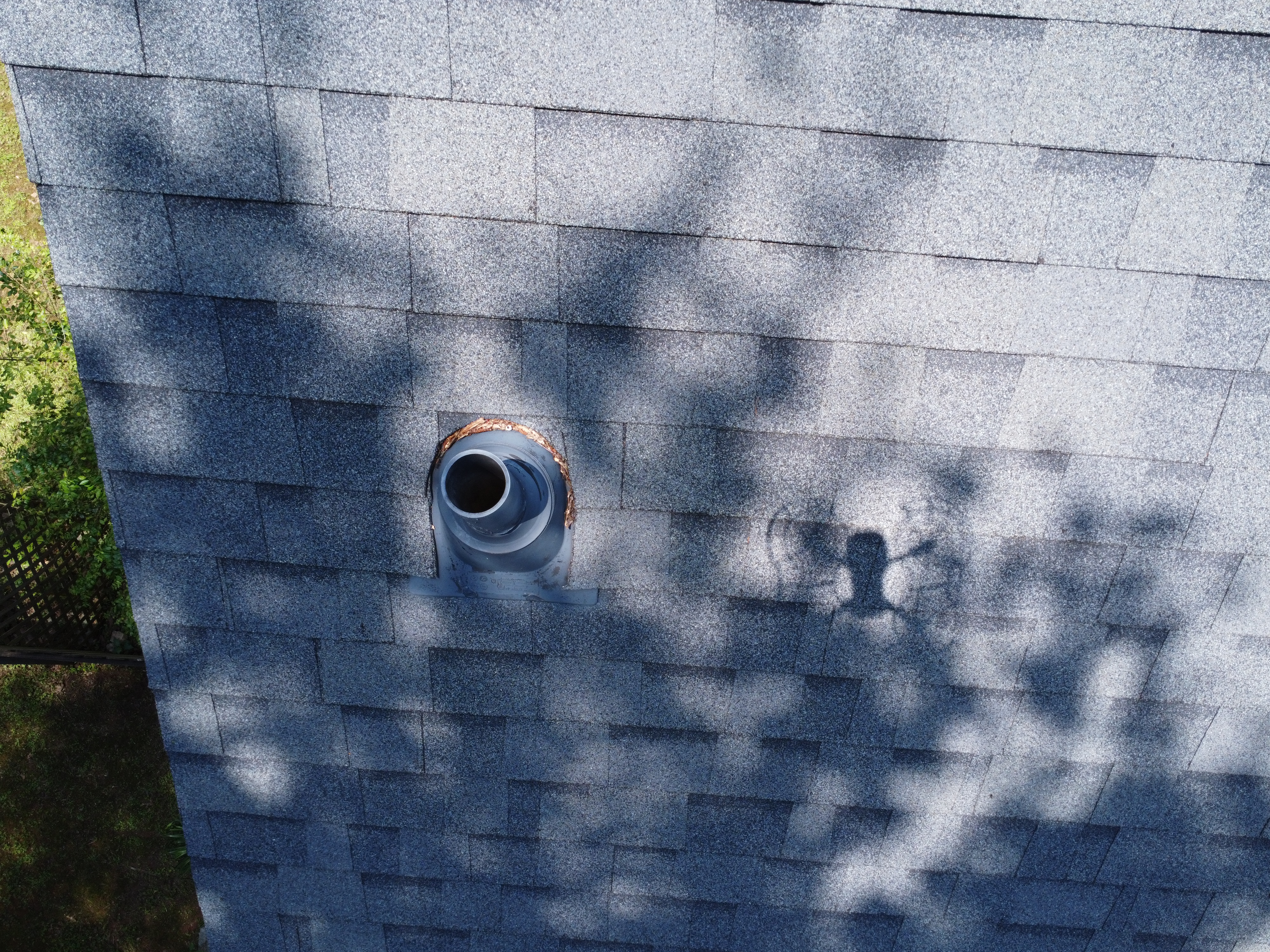
- Improved Accuracy and Data Quality: Equipped with high-resolution cameras and sensors, drones capture detailed imagery and data, including visible defects. This allows for a more accurate and comprehensive assessment of the roof's condition compared to visual inspections from the ground.
- Access to Hard-to-Reach Areas: Drones can easily access and inspect areas of the roof that are difficult or dangerous for a human to reach, such as steep slopes, high ridges, or areas around chimneys and vents.
- Cost-Effectiveness: While the initial investment in drone technology may be a factor, drone inspections can be more cost-effective in the long run. They reduce labor costs, minimize the need for expensive equipment like scaffolding, and can lead to lower insurance premiums due to reduced risk.
- Comprehensive Documentation: Drones provide detailed visual records, which are invaluable for insurance claims, maintenance planning, and communicating findings to clients.
In summary, using drones for roof inspections provides a safer, quicker, and more efficient way to assess the condition of a roof, resulting in a more detailed and accurate assessment for both residential and commercial properties.

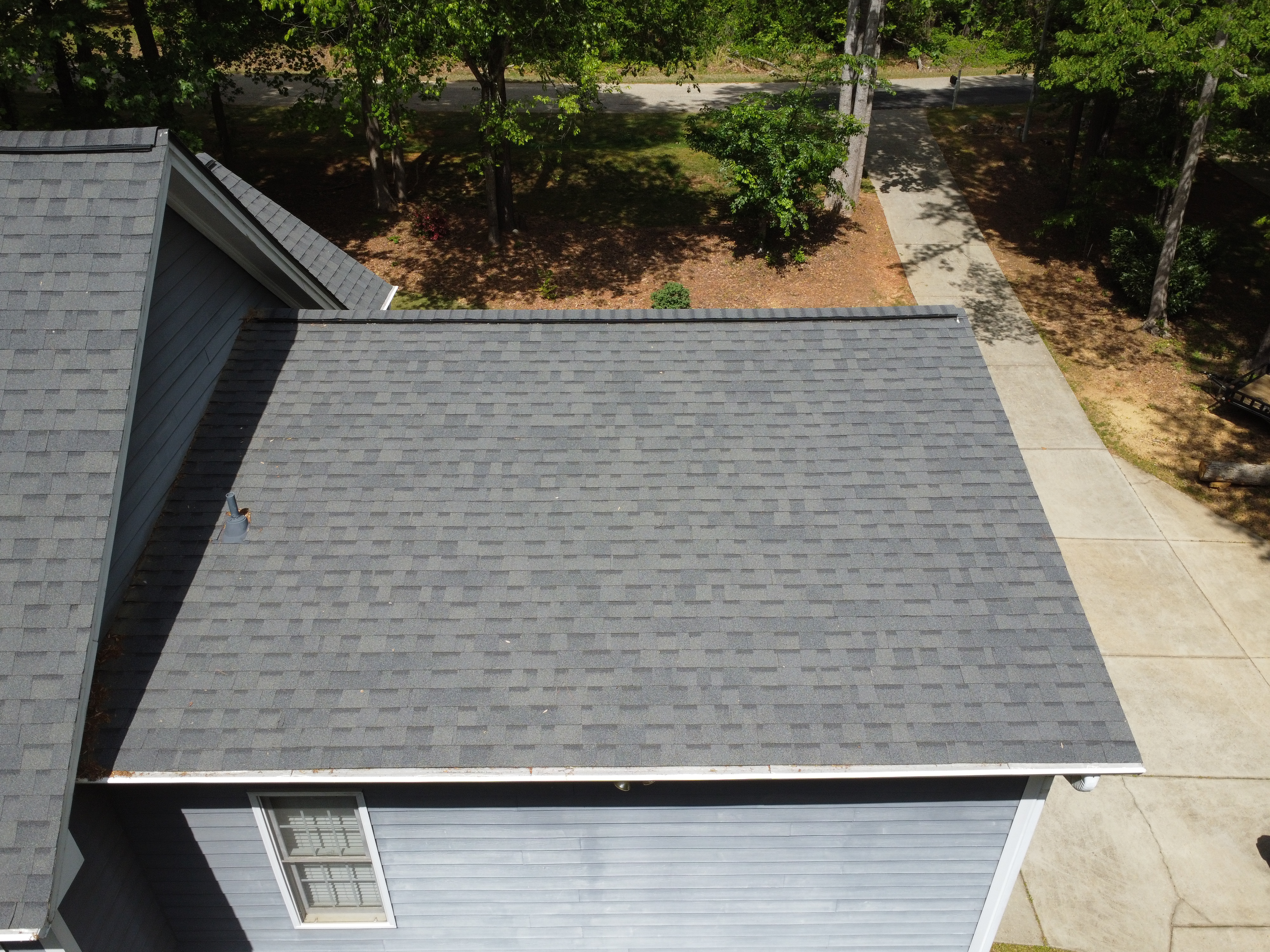
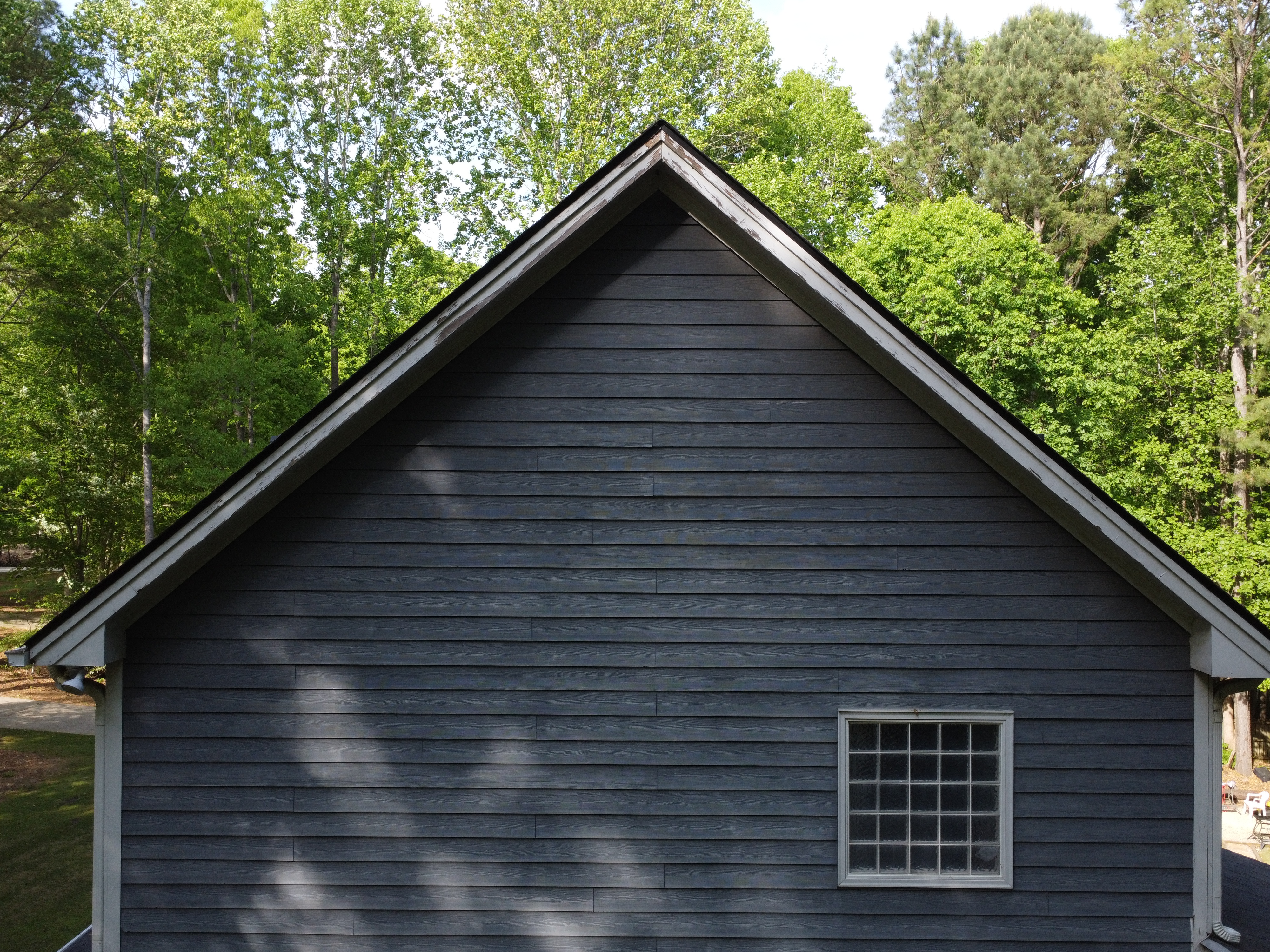
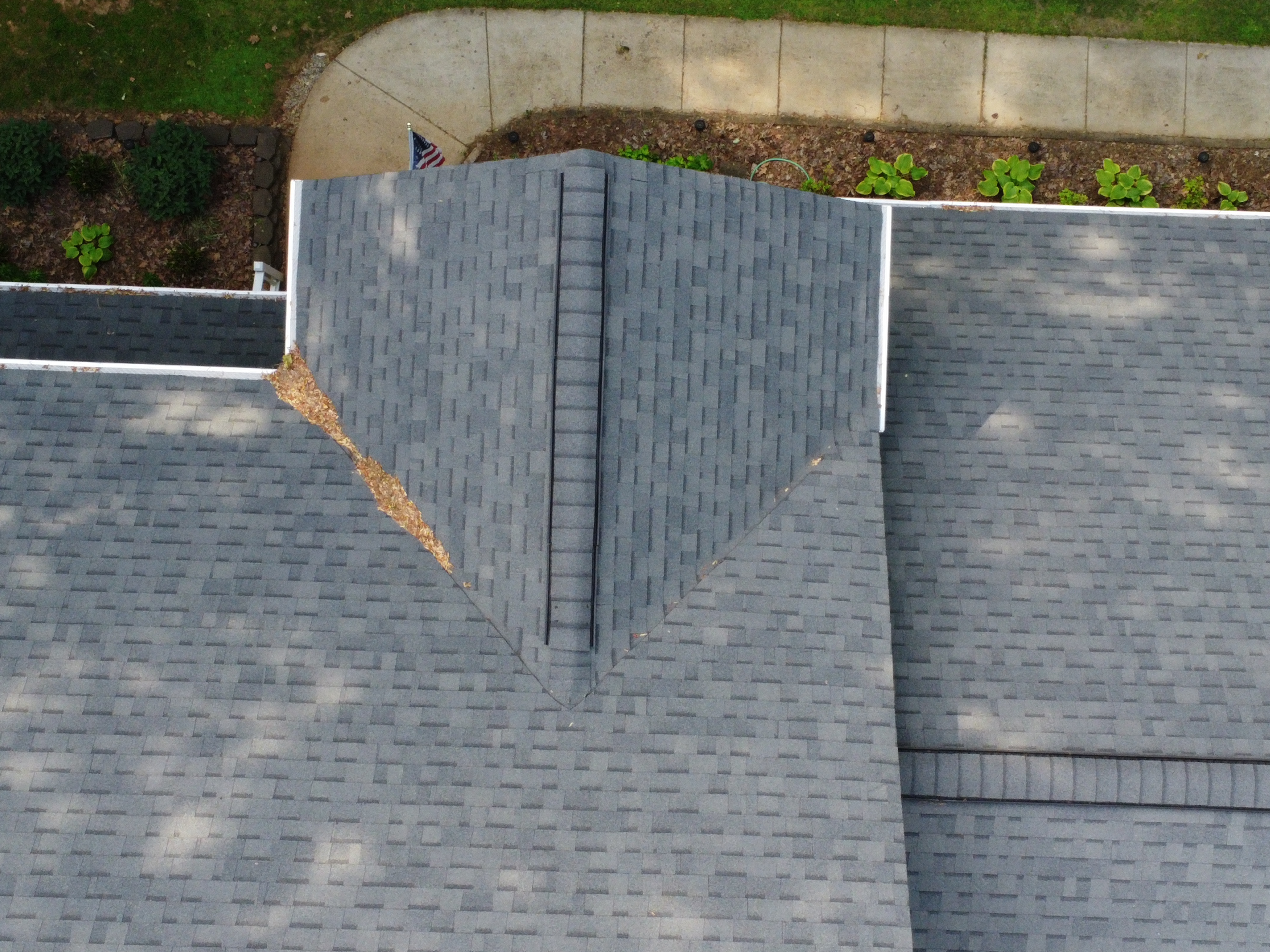
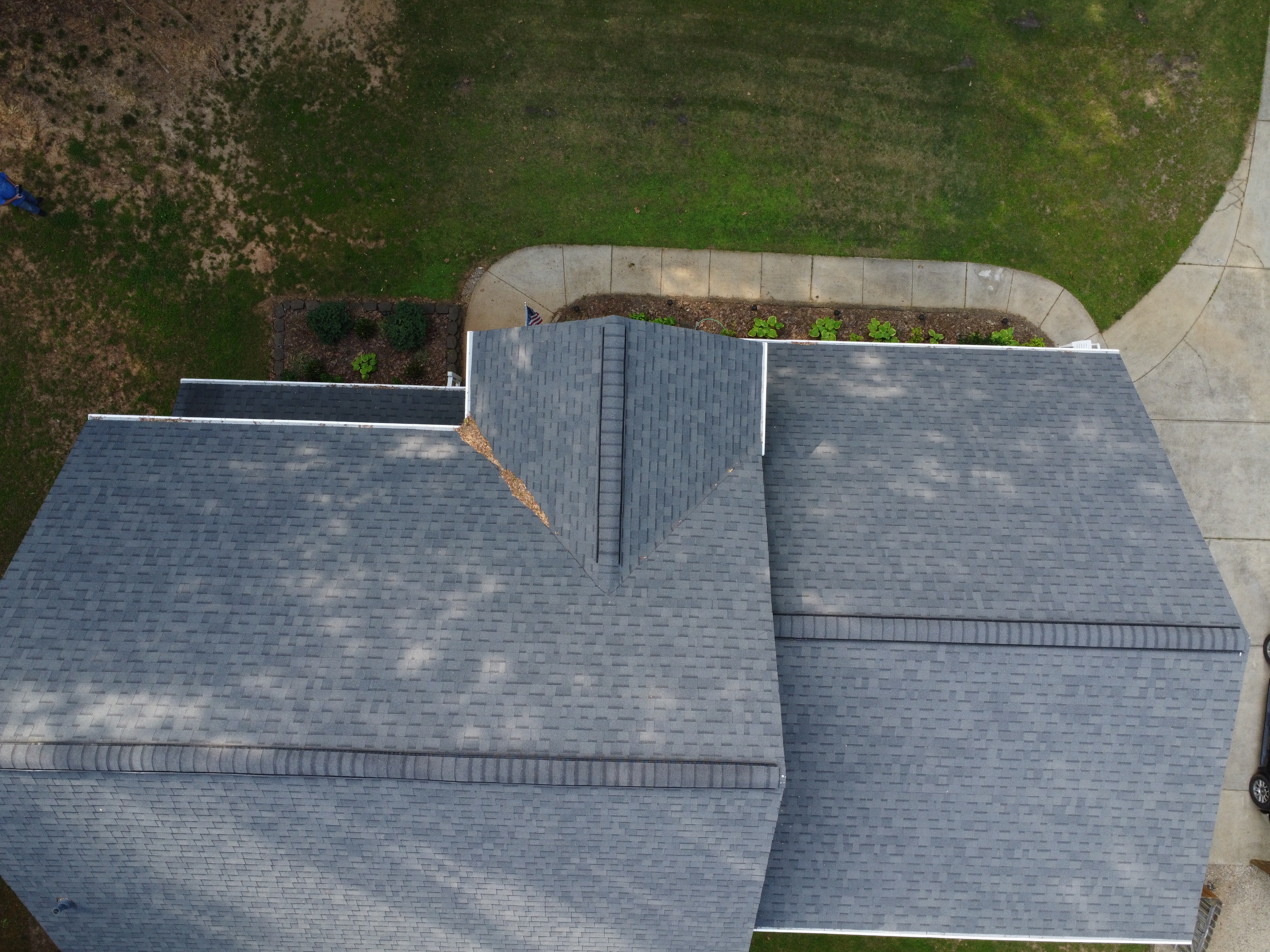
Roof Inspection Gallery
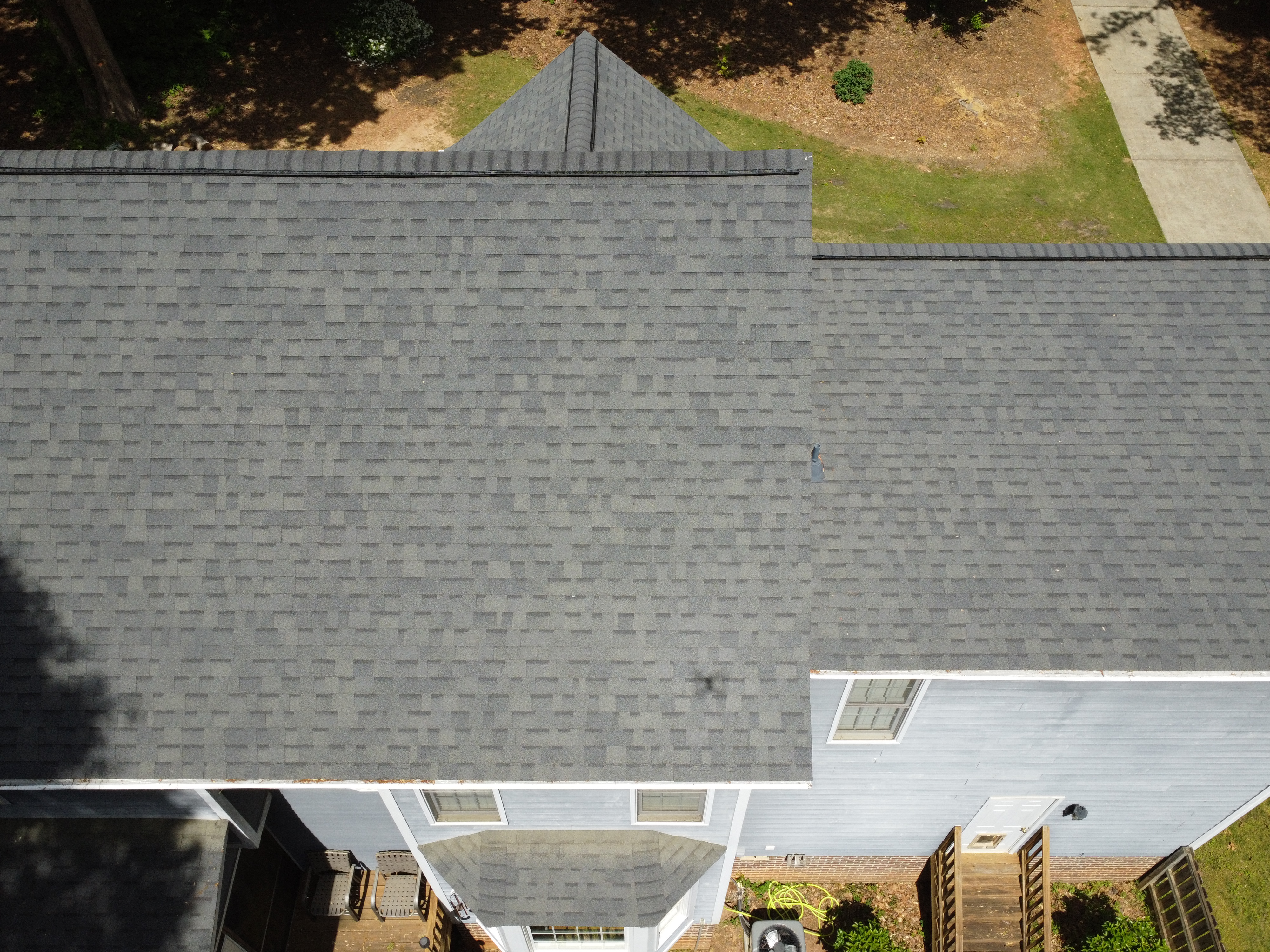
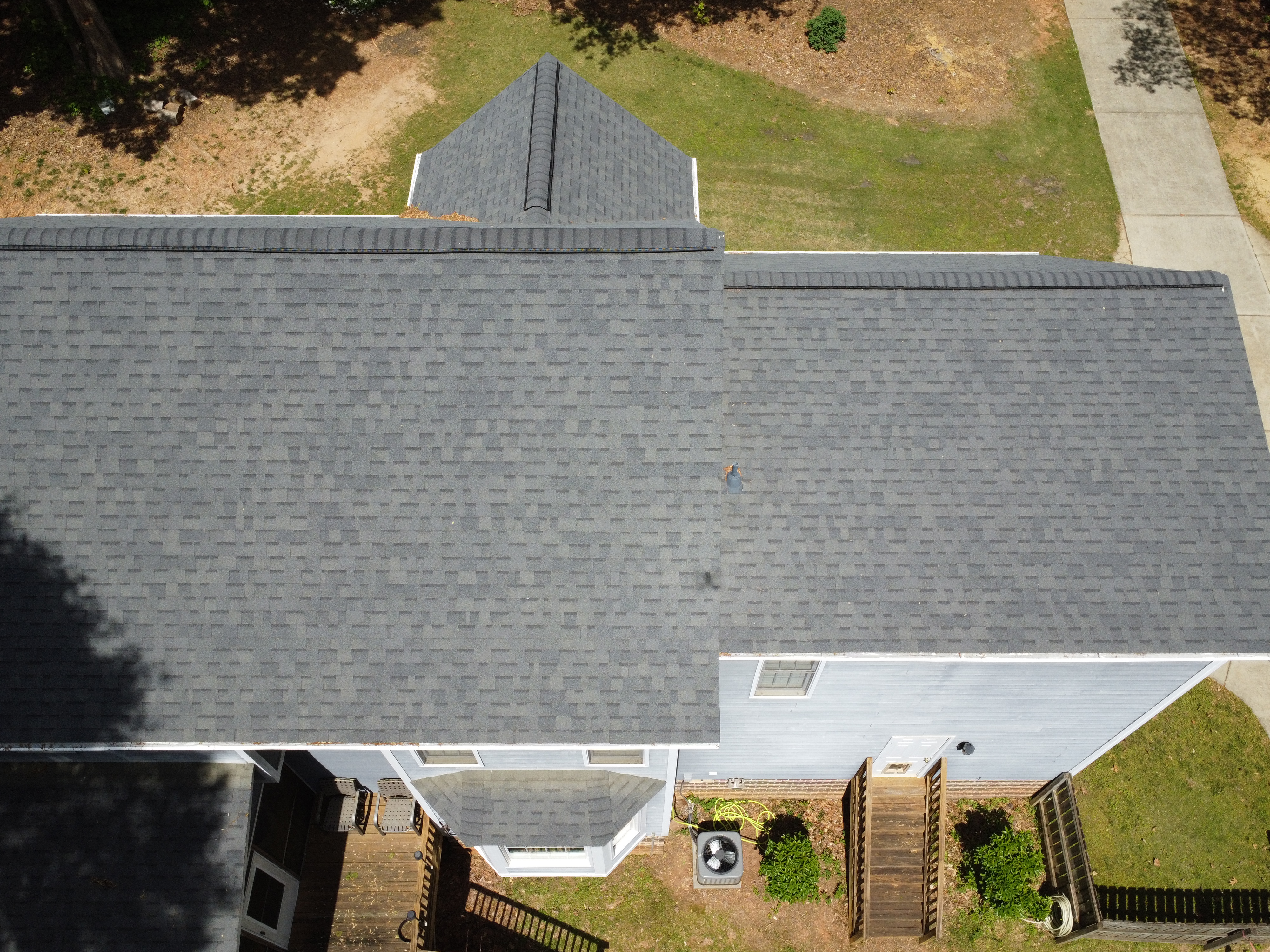
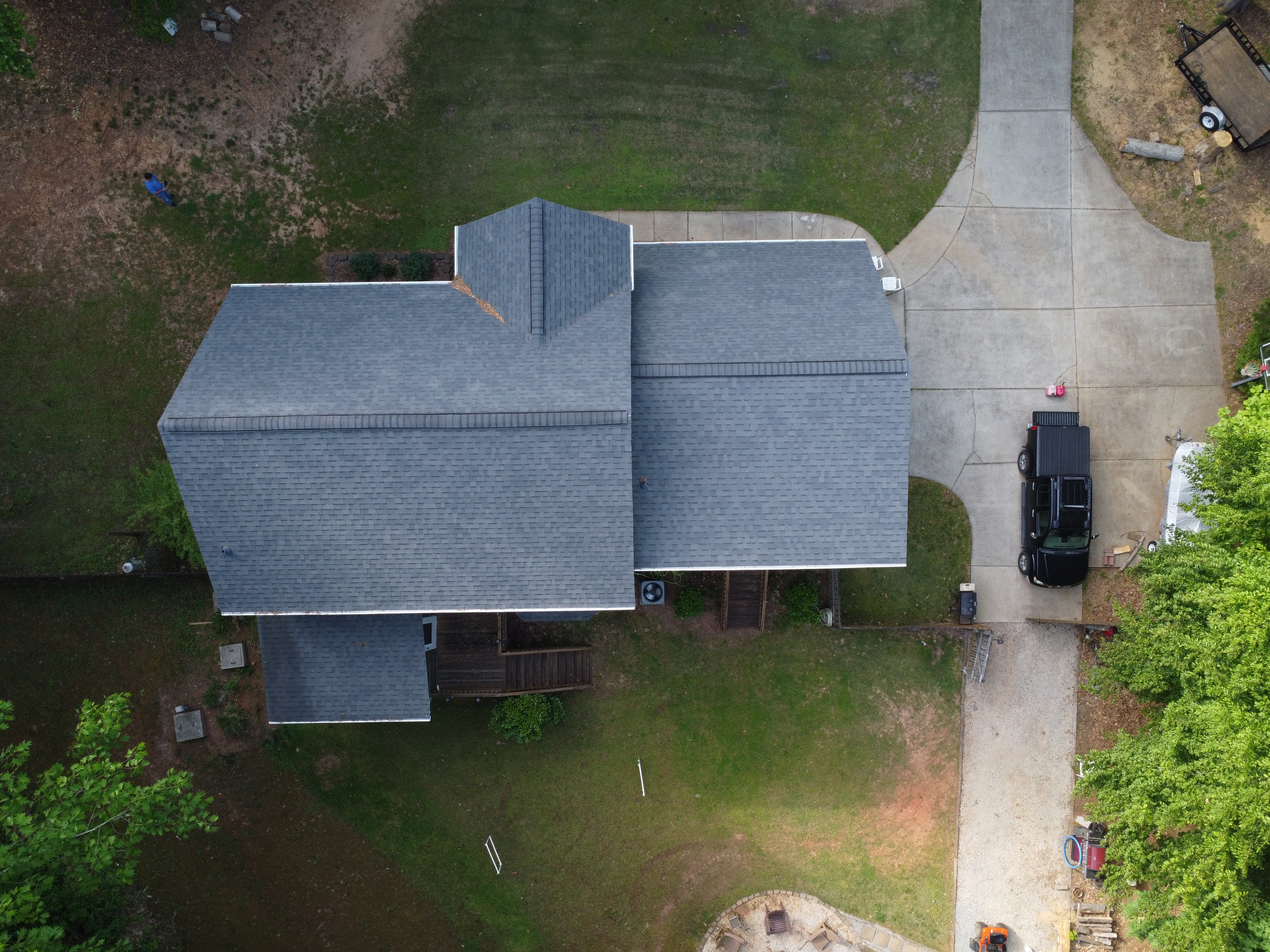
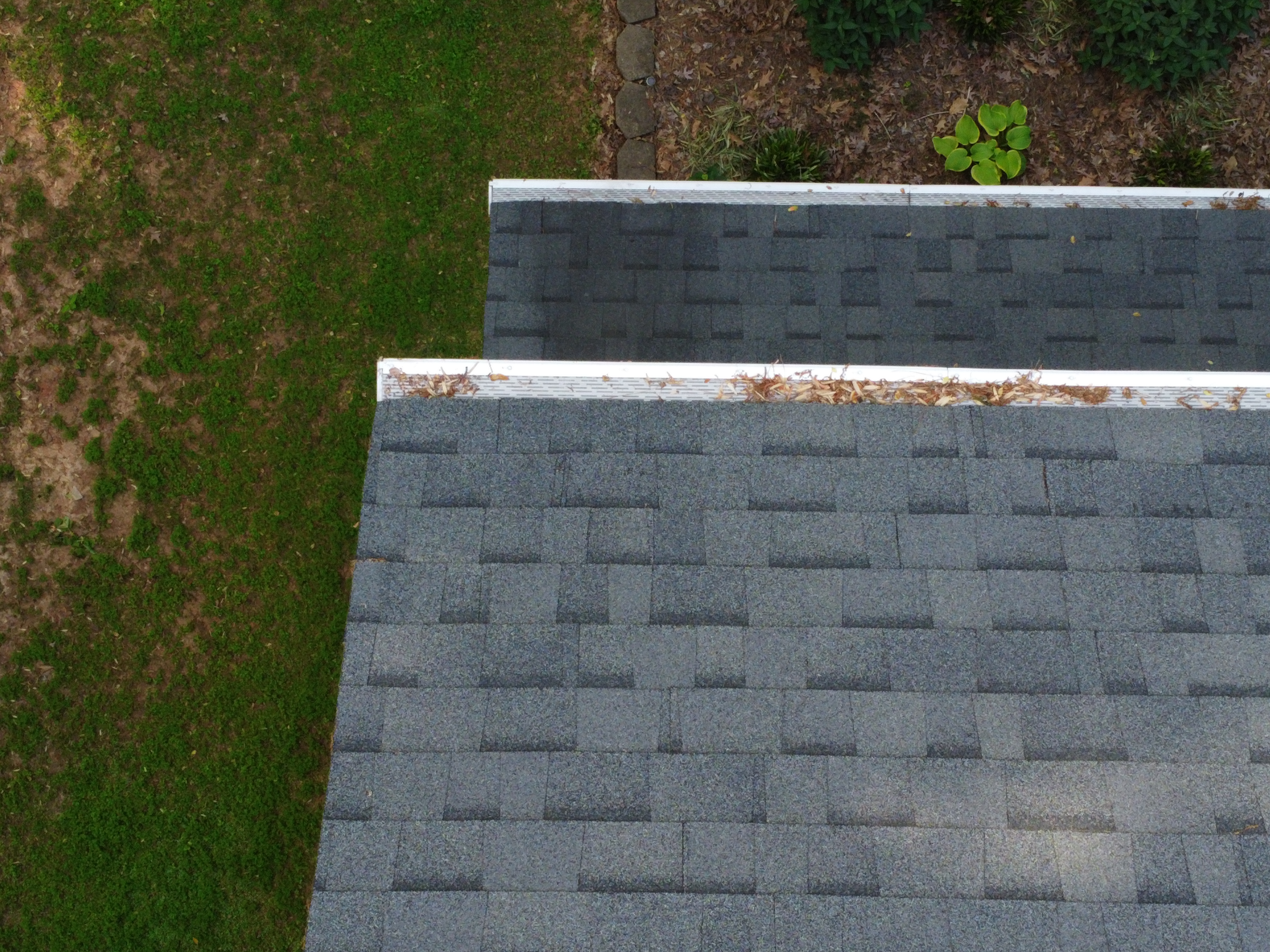
×
‹
![]() ›
›